
Mobile App vs Mobile Website: What’s Right for Your Business?
The mobile-first world demands a smart strategy. Discover which path delivers the best ROI for your business goals.
Your customers are on their phones right now. The question isn’t whether to reach them on mobile—it’s how. Should you build a sleek mobile app or invest in a responsive website that works everywhere? This decision can make or break your mobile strategy, budget, and user experience.
The wrong choice wastes resources. The right choice accelerates growth. Let’s cut through the confusion and find what works for your specific business needs.
📱 Understanding the Core Differences
Before deciding, you need to know what you’re actually choosing between. Mobile websites and apps serve the same users but operate very differently.
Mobile Website: The Universal Solution
A mobile website is simply a website designed to work perfectly on smartphones and tablets. Users access it through their browser—no download required. One codebase works on every device with internet access.
- ✓ Instant access via URL
- ✓ No app store approval needed
- ✓ Easier to update and maintain
- ✓ Lower development costs
Mobile App: The Premium Experience
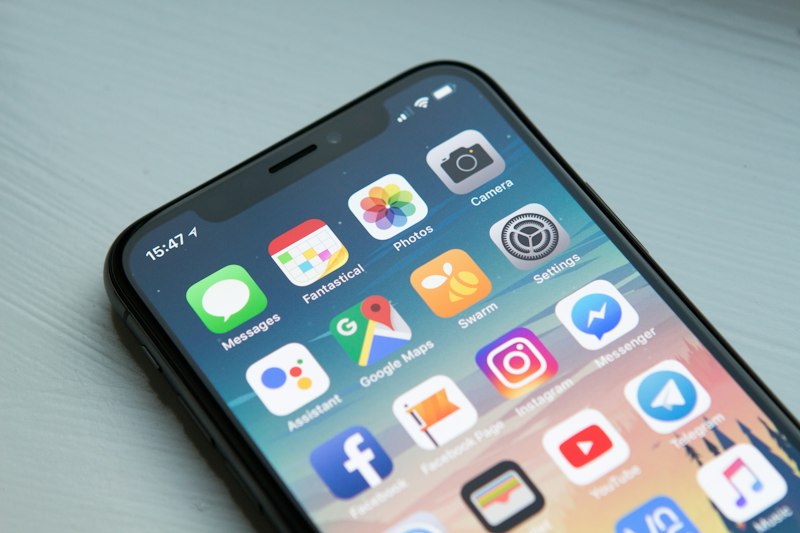
A mobile app is software users download from app stores (Apple App Store, Google Play). It lives on their device, offering deeper integration with phone features and often working offline.
- ✓ Push notifications for engagement
- ✓ Access to camera, GPS, contacts
- ✓ Offline functionality
- ✓ Superior performance and speed
💡 Key Insight: Progressive Web Apps (PWAs) blur the lines—they’re websites that behave like apps, offering push notifications and offline access without the app store hurdle.
🌐 When to Choose a Mobile Website
Most businesses should start with a mobile website. Here’s when it’s the clear winner:
You Need Broad Reach
Websites work on every device with a browser—iOS, Android, Windows, tablets, even smart TVs. No platform restrictions, no separate development for different operating systems.
Budget is a Concern
A responsive website costs significantly less than building separate iOS and Android apps. Maintenance is simpler too—one update fixes everything.
Content is Your Focus
Blogs, news sites, portfolios, and informational businesses thrive on mobile websites. Users want quick access to content without downloading anything.
SEO Matters
Websites are searchable. Apps aren’t. If you rely on Google traffic, a mobile website is non-negotiable.

🚀 When to Invest in a Mobile App
Apps shine in specific scenarios where deep functionality and user engagement are priorities:
🎯 You Need Push Notifications
Apps can send notifications directly to users’ lock screens. This is powerful for engagement—reminding users about abandoned carts, new content, or time-sensitive offers. Websites can’t match this (except PWAs with limited support).
⚡ Performance is Critical
Apps run natively on the device, making them faster and more responsive than websites. Gaming, video editing, and complex calculations demand this performance advantage.
🔒 You Need Device Features
Camera access for scanning, GPS for location services, accelerometer for fitness tracking, contacts for social features—apps unlock the full power of smartphones.

⚠️ Reality Check: Apps are expensive. Expect $50,000-$500,000+ for a quality app across iOS and Android. Plus ongoing maintenance, updates, and app store fees. Make sure the ROI justifies the investment.
⚖️ The Hybrid Approach
Many successful businesses use both. Start with a mobile website for reach and SEO, then add an app for your most engaged users. This strategy lets you validate demand before investing heavily in app development.
Consider this progression:
- 1. Phase 1: Responsive website for all users
- 2. Phase 2: PWA features for app-like experience
- 3. Phase 3: Native app for power users (if justified)
🚀 READY TO CHOOSE YOUR MOBILE STRATEGY?
Still unsure which path is right for your business? Our mobile strategy experts at Mirror Marketing can analyze your goals, audience, and budget to recommend the perfect approach.
💡 Pro tip: Mention this article and receive a complimentary mobile UX audit of your current website.
⭐ MAKE THE SMART CHOICE
The mobile app vs. website debate isn’t about which is better—it’s about which is better for your specific business right now.
For most businesses, a responsive mobile website is the right starting point. It delivers reach, SEO benefits, and cost efficiency. Only invest in an app when you have clear evidence that the additional features and engagement justify the significant investment.
Remember: the best mobile strategy is one that serves your users excellently while delivering measurable business results.